Protect Your Hearing, Protect Your Health
30 April 2026
The world marked International Noise Awareness Day (INAD) on 29 April. The City’s Noise Unit calls on residents to take simple but vital steps to protect their hearing - especially as personal listening devices and music pods continue to grow in popularity.
This year’s global themes, ‘The Sound of Tomorrow’ and ‘Be Sound Safe’ highlight both the exciting future of sound through AI-driven urban design and the urgent need to address the very real health risks associated with noise exposure.
Noise is more than just a nuisance - it is a public health concern. According to the World Health Organisation, prolonged exposure to high noise levels can contribute to serious health conditions, including hypertension, heart disease, sleep disturbances, and hearing loss. These impacts can significantly reduce the quality of life and overall well-being.
Listening Safely in a World of Music Pods
Personal listening devices are part of everyday life, but safe listening matters. With the rise of music pods and personal audio devices, residents are encouraged to enjoy their favourite tunes responsibly. Simple changes can make a lasting difference:
Follow the 60/60 rule: The louder the sound, the shorter the safe listening time. Listen at no more than 60% volume for no longer than 60 minutes at a time.
Use noise-cancelling headphones: Use well-fitted earphones or noise-cancelling headphones so you don’t turn the volume up to compete with background noise.
Take listening breaks: Give your ears time to recover throughout the day - step into a quiet space for a few minutes, especially after long listening sessions.
Be aware of warning signs: Ringing/buzzing (tinnitus), muffled hearing after listening, or difficulty hearing high-pitched sounds are signals to lower your exposure and consider a hearing check.
Protect your ears at loud venues: At concerts, clubs and sports events: wear earplugs, move away from speakers, and rest your ears in a quiet space for short periods.
Choose quieter environments where possible: Reducing background noise lowers the need for higher volumes.
Clean earphones regularly, do not insert them too deeply, replace worn earphone tips, do not share earphones with others and keep your ears dry and clean to prevent infection.
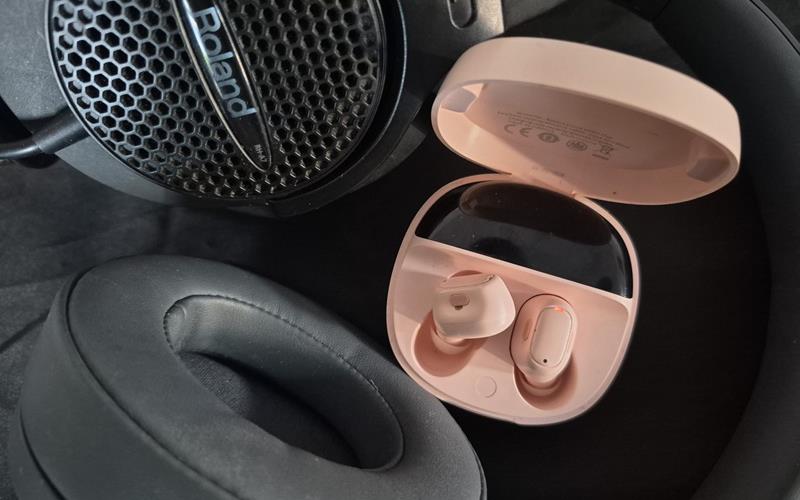
‘The use of pods and headphones have become commonplace, and while they contribute to quieter overall environments, these devices do need to be used responsibly for the overall health and wellbeing of the individual, especially our children.
‘That said, harmful environmental noise levels continue to be a challenge. Creating a healthier sound environment is a shared responsibility. Whether at home, work, or in public spaces, everyone can play a role in lowering harmful noise levels. Small actions can collectively reduce noise pollution and protect community wellbeing,’ said Mayoral Committee Member for Community Services and Health, Councillor Francine Higham.
Keep volume at a considerate level: If sound carries beyond your home, it’s likely too loud.
Be mindful of timing: Lower noise levels in the early morning and late evening when sound travels further and people are resting.
Use headphones for personal listening: A simple switch that makes a big difference, especially at night.
Plan gatherings with neighbours in mind: Keeping music moderate and wrapping up at a reasonable time helps maintain goodwill.
Close windows and doors when playing music or watching TV: This helps contain sound indoors.
Fix or manage ongoing noise sources: Address things like alarms, rattling gates, or persistent pet noise early before they become a nuisance.
As part of the global INAD movement, residents are encouraged to take a short “sound break” and appreciate the value of quiet - and to share safe-listening and noise-reduction tips with friends, family and colleagues.
‘This International Noise Awareness Day, City Health urges all residents to remember that protecting your hearing also protects your health. By making informed choices today, we can help shape a future where the sound of tomorrow supports healthier, more sustainable living for all,’ added Councillor Higham.
Residents can report environmental noise disturbances through the City’s official channels.
For urgent matters related to extreme noise disturbances, residents can call the City’s Public Emergency Communications Centre (PECC) on 021 480 7700 or the City’s Corporate Call Centre on 0860 103 089.
Online reporting options are available via the City’s e-services portal or App.
Noise disturbances that require measurement may be directed to the Noise Unit via e-mail at Noise@capetown.gov.za
Published by:
City of Cape Town, Media Office